Welcome to TechPulse™
TechPulse™ is your comprehensive weekly guide to the latest developments in Industrial IoT, Telecommunications, Edge Computing, and Autonomous Vehicles. This curated newsletter unpacks the latest news, explains why it matters for business leaders and investors, and provides expert insights to spark your curiosity. Let's dive in!
This wasn't just another week of tech announcements. Picture this: while you were wrestling with quarterly reports and back-to-back Zoom calls, the entire landscape of industrial technology quietly underwent a seismic transformation. We're not talking about incremental improvements or flashy demos that never ship. We're witnessing structural market shifts that will separate the leaders from the also-rans over the next 24 months.
From robotaxi fleets backed by household-name companies to telecommunications gear fundamentally re-architected for an AI-native world, to edge computing platforms finally debuting where it matters—in actual factories—and IoT connectivity services scaling to handle billions of devices simultaneously... every segment is accelerating. Fast.
Here's what you absolutely need to know, stripped of jargon and translated into moves you can make this quarter.

The convergence of AI, connectivity, and edge compute is reshaping industrial infrastructure at scale.
Industrial IoT: The Connectivity Revolution You Can't Afford to Miss
BREAKTHROUGHAT&T and Thales just made deploying global IoT fleets 10x easier, and you probably missed it.
Imagine shipping 50,000 smart meters to twelve countries without touching a single physical SIM card. No logistics nightmares. No local carrier negotiations. No field technicians manually activating devices one by one. That's not science fiction anymore—it's exactly what AT&T and Thales unveiled with their new eSIM solution.
Here's why this matters more than another telecom press release.
What Actually Changed:
- Single embedded SIM, infinite flexibility: Deploy your device anywhere. The correct local connectivity profile activates remotely. Zero physical intervention required.
- Automation that actually works: Profile switching, diagnostics, remote fleet updates—all handled automatically with 'secure-by-design' architecture from Thales.
- The scale opportunity: Industry experts project 5.8 billion cellular IoT connections by 2030. This isn't a niche play; it's becoming critical infrastructure.
SECO will reinforce this trend at Embedded World North America (Nov 5 keynote) with their Clea Edge-to-Cloud IoT Platform. The hardware side is catching up to match the connectivity breakthroughs.
At AT&T, we deliver intelligent IoT solutions you can trust—highly secure, end-to-end, and built to scale.
Why This Should Keep You Up at Night (In a Good Way):
- For operators and platform players: Connectivity just evolved from a commodity into a high-margin service layer. Device-by-device provisioning is dead. Fleet-wide lifecycle connectivity is where the money flows.
- For industrial and OT operators: Your time-to-market just collapsed. No physical SIM logistics means you can scale smart metering, asset tracking, and connected equipment globally at a fraction of previous cost and complexity.
- For investors: Companies enabling this connectivity layer aren't nice-to-haves anymore—they're strategic infrastructure. Early movers in lifecycle management platforms will capture disproportionate value.
The Reality Check: This transformation assumes global network partnerships, standardized protocols (SGP.32), and dependable remote provisioning. But regulations around data sovereignty, legacy asset integration challenges, and operational technology security remain significant gating factors. The opportunity is massive, but so is the execution complexity.

Global eSIM deployment enabling seamless IoT connectivity across borders.
Telecommunications: AI-Native Networks: Not an Upgrade, a Complete Reimagining
GAME CHANGERNVIDIA and Nokia just announced they're building 6G from scratch with AI at its core. The telecom playbook you know? It's obsolete.
Forget everything you think you know about network upgrades. This isn't 4G to 5G with better specs. This is a fundamental architectural revolution. NVIDIA and Nokia just formed a strategic partnership to deliver 'AI-native wireless stacks' for 6G and AI-RAN. They announced it at NVIDIA's GTC event (Oct 27-29, Washington, DC), and T-Mobile U.S. is already lined up for trials.
Here's why this announcement should fundamentally change how you think about connectivity.
What Makes This Different:
- Built AI-first, not AI-added: NVIDIA's AI Aerial platform becomes the foundation. Nokia integrates it into their RAN portfolio. This isn't bolting intelligence onto legacy infrastructure—it's designing networks from the ground up for sensor-rich, agentic endpoints like robots, AR glasses, and autonomous vehicles.
- The promise: Extreme spectral efficiency, massive connectivity, and breakthrough applications that current networks simply can't support. We're talking about integrated sensing and communications—networks that don't just transmit data but actively understand their environment.
- First-mover advantage is real: Trials begin in 2026. Early adopter operators won't just have better cost-performance metrics—they'll be able to offer entirely new services their competitors can't match.
6G is being built from the ground up with AI at its core, unlocking extreme spectral efficiency, massive connectivity and breakthrough applications.
What This Means for Your World:
- For service providers and CEOs: The next network wave won't be about more throughput—it will be about native intelligence. Every layer of your stack (RAN, core, edge) needs to be designed for AI workloads. If your 2026 roadmap doesn't reflect this, you're already behind.
- For equipment vendors: If you're not positioning for 'AI-native RAN,' you risk becoming a legacy supplier in an era of exponential change. The Nokia + NVIDIA platform partnership sets a new competitive bar. Can you match it?
- For investors: The addressable market for AI-RAN is projected to exceed tens of billions. This isn't hype—it's infrastructure spending at scale. Companies positioned at the intersection of AI and telecom will capture massive value.
The Catch: Timing is early. Trials begin in 2026, and operator ROI isn't proven at scale yet. Investing heavily before proven business models emerge carries real execution risk. But waiting too long means surrendering first-mover advantage. The strategic question isn't whether to engage—it's when and how much.
Edge Computing: When 'The Edge' Stops Being Buzzword and Starts Being Competitive Advantage
INFRASTRUCTURE EXPLOSIONOver 250,000 GPUs heading to South Korea alone. The compute fabric is migrating to where decisions actually happen—the edge.
Remember when 'edge computing' was the buzzword everyone threw around but nobody actually deployed? Those days just ended. Two massive announcements dropped this week that signal edge compute has crossed from 'interesting concept' to 'critical competitive infrastructure'.
The Hardware Is Here:
- Advantech released edge AI platforms leveraging NVIDIA's Jetson Thor modules specifically for robotics, medical systems, and edge inference. These aren't proof-of-concept demos—they're production-ready platforms with container-based architecture and OTA upgrade capabilities.
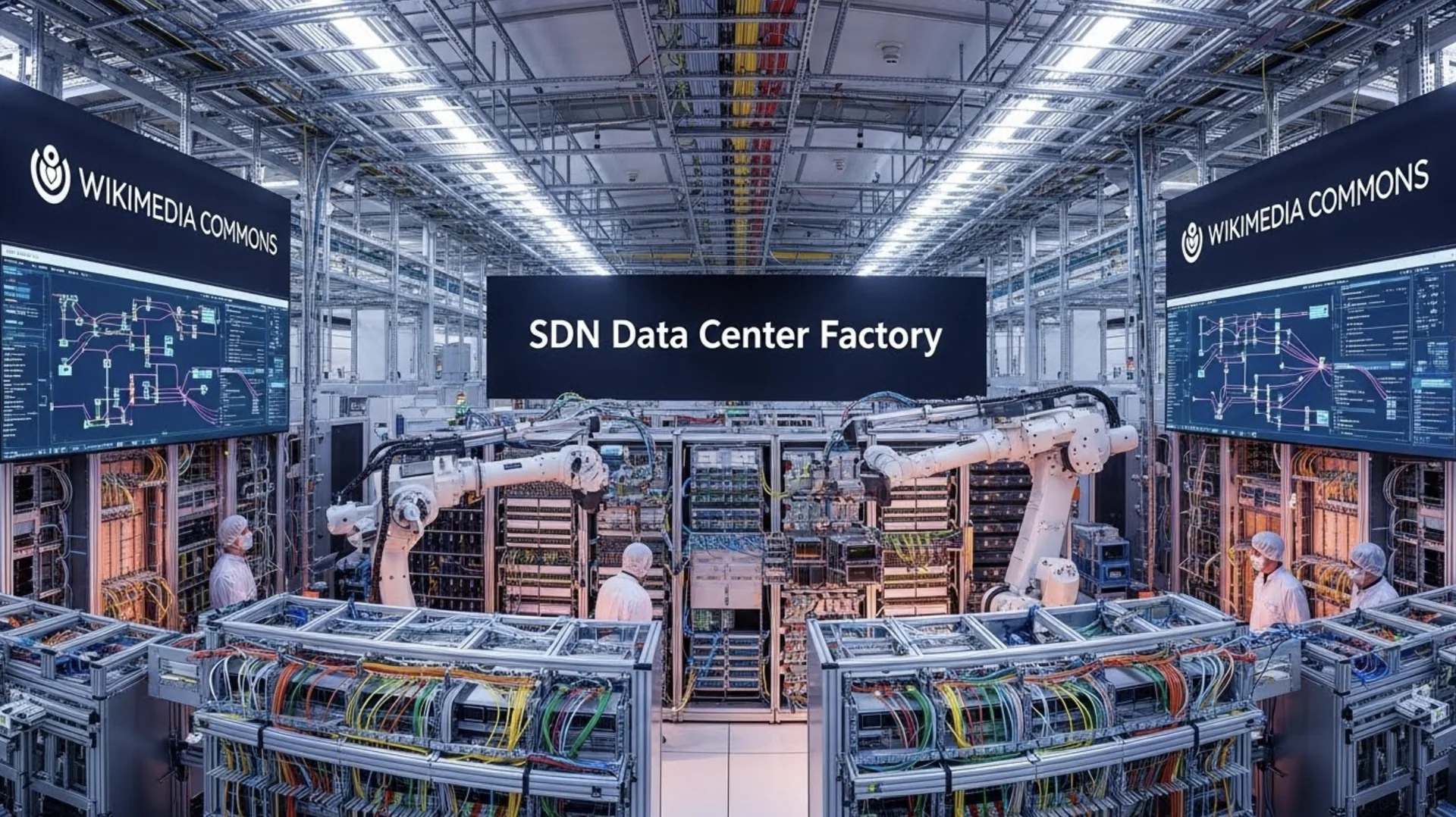
- NVIDIA will deploy over 250,000 GPUs across South Korea to support AI infrastructure, AI factories, and digital twin manufacturing. Samsung, SK Group, and Hyundai are all involved. This isn't just cloud AI—this is compute moving to the factory floor, the vehicle, the edge device itself.
The underlying theme is unavoidable: the compute fabric is migrating closer to where actual work happens, and mixed workloads combining AI, vision, and robotics are pushing platform providers to build entirely new edge stacks.
Target Applications That Are Ready Now:
- Autonomous mobile robots (AMRs) in warehouses and manufacturing
- Unmanned vehicles requiring real-time decision-making
- Multi-sensor fusion for quality control and predictive maintenance
- Real-time inference for medical imaging and diagnostics
Why This Matters to You:
- For industrial and automotive companies: The edge isn't a buzzword anymore—it's how competitive advantage gets built. Real-time inference, sensor fusion, and low-latency control are becoming table stakes. These announcements validate that production-grade platforms are available right now.
- For investors: Edge compute hardware and software plays are hitting inflection. Companies enabling deployment at industrial scale—not just selling chips but delivering full stacks—are reaching critical mass. The winners will be platform players who solve management complexity, not just raw compute providers.
The Challenge: Edge deployments still face significant operational complexity. Managing distributed compute, securing edge nodes, and achieving standardization across diverse hardware remain unsolved challenges. Not every company has the execution capacity to navigate this successfully—yet. The platforms are ready; the question is whether your organization is.
Autonomous Vehicles: From Isolated Trials to Coalition-Driven Scale
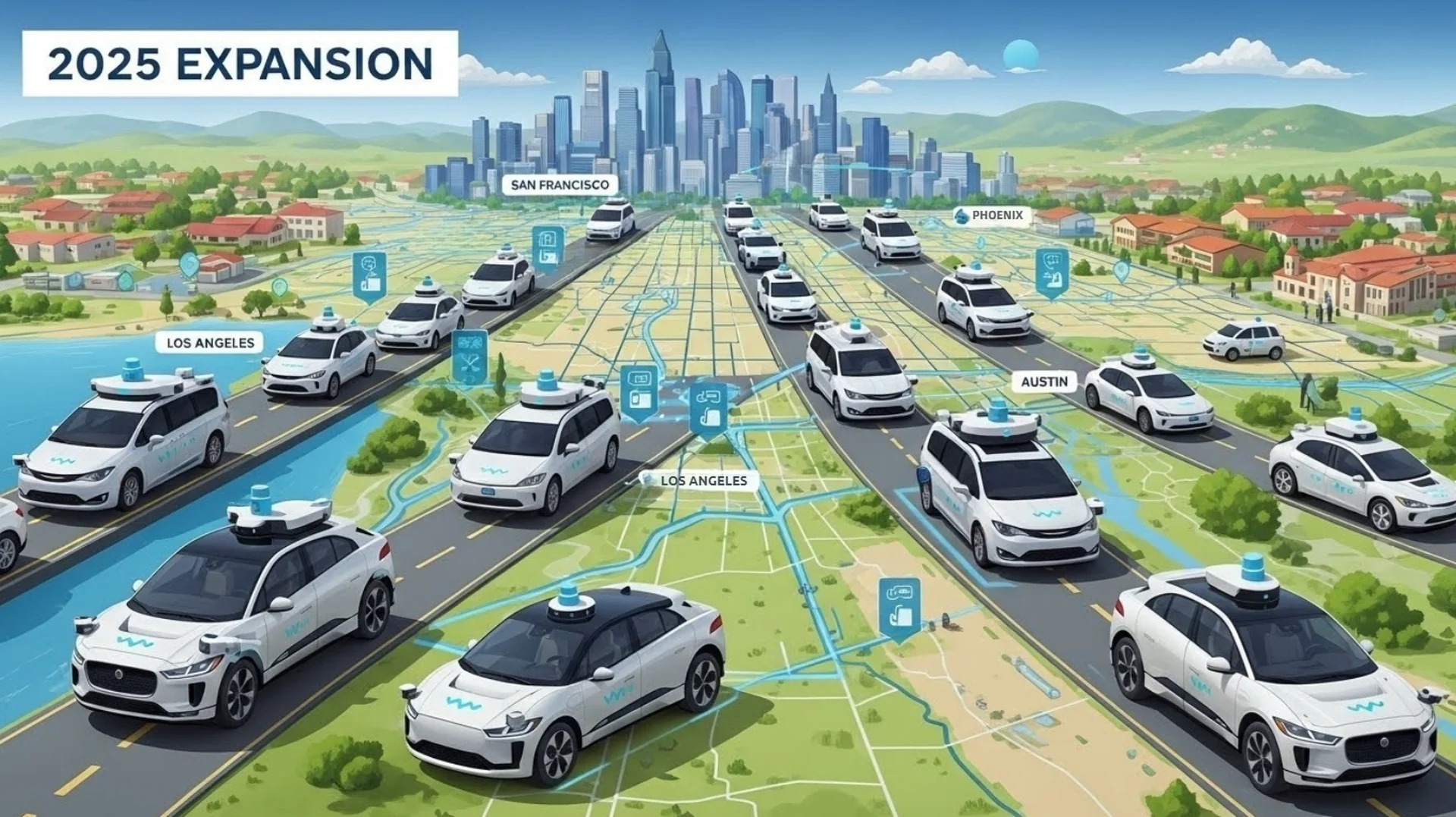
COALITION POWERStellantis, NVIDIA, Uber, and Foxconn just formed a robotaxi super-alliance. This isn't about who builds the best autonomous system—it's about who can deploy at scale first.
The autonomous vehicle space just fundamentally shifted from 'who has the best technology' to 'who can actually execute at scale.' And this week, we saw the playbook.
The Stellantis-NVIDIA-Uber-Foxconn Partnership:
This isn't a tech demonstration. This is a complete business ecosystem combining manufacturing scale (Stellantis), AI compute (NVIDIA), ride-hailing operations (Uber), and electronics manufacturing (Foxconn). Starting in 2028 with an initial fleet of 5,000 vehicles.
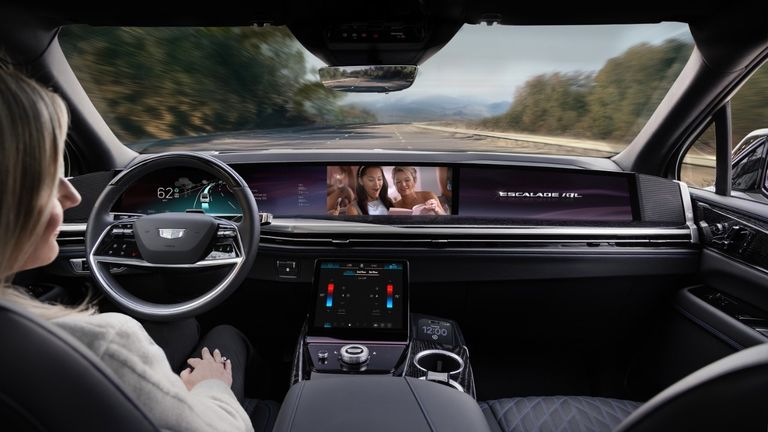
And on the consumer side, GM announced 'eyes-free' driving (Level 3) for the Cadillac Escalade IQ by 2028, building on Super Cruise's track record of 700 million miles without crash attribution. Hands-free and eyes-off on highways isn't a concept anymore—it's a production feature launching in three years.
Together with Uber, we're creating a framework for the entire industry to deploy autonomous fleets at scale, powered by NVIDIA AI infrastructure.
Why This Changes Everything:
- For investors: These partnerships reveal defined paths to monetization beyond car sales: mobility-as-a-service, robotaxi fleet operations, compute-as-a-service. Early positioning in key partnerships or enabling platforms will yield outsized returns.
- For industrial/edge/IoT clients: Autonomous vehicles integrate everything—edge compute, connectivity (5G/6G), sensor fusion, controlled infrastructure. Your clients in adjacent spaces should view AVs not as a separate industry but as a cross-sector opportunity. The technology stack overlap is massive.
The Reality: Level 4 and 5 autonomy still face enormous regulatory, safety, liability, and mass-production hurdles. These announcements are bold, and credible—but execution will be everything. The difference between winners and losers will be operational excellence, not just technology leadership.
Industry coalition accelerating robotaxi deployment at scale.
Looking Ahead: The Moves You Should Make Now
Here's where smart money and strategic attention should focus over the next 12-24 months:
- Watch for AI-RAN platform trials (NVIDIA/Nokia partnership) kicking off in 2026. Operators who position early will gain decisive competitive advantage. If you're advising telcos, this should be a 2025 Q4 strategic priority.
- Monitor eSIM lifecycle management uptake in industrial deployments. Logistics and supply-chain IoT applications could be early winners. If your clients operate global device fleets, they should be evaluating this technology stack right now.
- Track edge compute platform adoption tuned for robotics and unmanned systems (Advantech, SECO) as a leading indicator of broader industrial AI deployment. The companies succeeding here will reveal playbooks others can follow—or licensing opportunities for those who move fast.
- Follow robotaxi and 'eyes-off' consumer driving progress toward 2027-2028 deployment. Pilot cities, regulatory frameworks, and fleet economics will be critical leading indicators. The first movers who solve the business model will reshape urban mobility.
Continue reading this premium article
Unlock exclusive industry insights available only to subscribers
Exclusive Research
Proprietary data and analysis not available anywhere else
Competitive Edge
Stay ahead with forward-thinking strategies and insights
Expert Community
Connect with industry leaders and innovative thinkers
Unlimited Access
Unlock all premium content with a subscription